
Advertisement
The HVAC industry plays a vital role in modern life. Homes, office buildings, hospitals, schools, factories, and data centers all rely on heating, ventilation, and air conditioning systems to maintain normal operations and a comfortable environment.
As a result, demand for HVAC technicians continues to grow across the United States, particularly as aging systems require maintenance and energy-efficient technologies become increasingly widespread.
For those seeking a stable and hands-on career, HVAC training offers a direct path into the technical field.
Unlike many careers that require a four-year college degree, the HVAC industry typically allows newcomers to enter the workforce more quickly through technical education, apprenticeships, and industry certifications. However, becoming a professional HVAC technician still requires planning, technical knowledge, and hands-on experience.
Understanding the Role of an HVAC Technician
HVAC technicians are responsible for installing, maintaining, troubleshooting, and repairing systems related to heating, cooling, refrigeration, and ventilation. Their work may involve: air conditioners, furnaces, heat pumps, boilers, refrigeration systems, ventilation systems, and smart climate control technologies.
A technician’s daily tasks can vary widely. Sometimes they may need to replace faulty electrical components in residential systems, while other times they may need to diagnose airflow issues in commercial buildings.
This work combines mechanical operations, electrical knowledge, troubleshooting skills, and customer communication abilities. Technicians often work both indoors and outdoors, sometimes in extreme weather conditions, and may need to move heavy equipment or work in confined spaces.
Step 1: Meet Basic Educational Requirements
The first step in HVAC training is to obtain a high school diploma or General Educational Development (GED) certificate. Most employers and technical schools require this minimum educational background. Students interested in HVAC should focus on the following subjects:
* Mathematics
* Physics
* Basic Electronics
* Technical Drawing
* Computer Fundamentals
Communication skills are equally important. HVAC technicians often need to explain malfunctions and repair plans to customers, contractors, or supervisors. Some high schools also offer career or technical training courses that introduce students to electrical systems, refrigeration basics, or construction safety. While these courses are not mandatory, they can help students gain a head start.
Step 2: Choose an HVAC Training Path
After high school, students aspiring to become technicians typically enter the field through one of three main pathways.
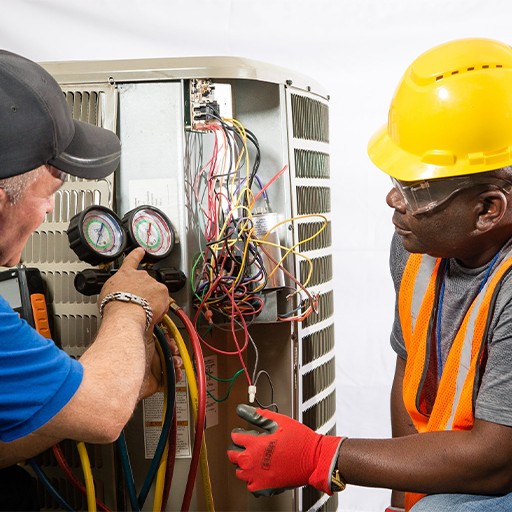
Vocational Schools or Technical Colleges: This is the most common entry point. HVAC training programs typically last between six months and two years, depending on the credential earned. Students can earn a certificate, diploma, or associate’s degree. Shorter certificate programs focus on practical job skills, helping students enter the workforce quickly.
Associate degree programs take longer but may include a broader range of technical education and management-related courses. Hands-on training is particularly important. Quality programs incorporate laboratory work with real HVAC equipment, rather than relying solely on classroom instruction.
Apprenticeships: HVAC apprenticeships combine paid work experience with classroom instruction. Apprentices learn the trade step-by-step under the guidance of experienced technicians. The apprenticeship period typically lasts three to five years. During this time, trainees gain on-site experience, and their wages increase as their skills improve.
For those who prefer to learn on the job, this path can reduce educational costs while providing immediate hands-on industry experience.
Entering the Field Directly Through an Employer: Some smaller HVAC companies hire entry-level assistants who have not received formal training. These workers learn basic installation and maintenance tasks while assisting experienced technicians.
Although this path is viable, progress may be slower, as many employers now prefer candidates with formal HVAC education or relevant certifications.
Learning Core Technical Skills
Advertisement
HVAC work involves multiple technical fields. A skilled technician must have a deep understanding of the following areas:
· Electrical Systems: Modern HVAC systems rely heavily on electrical components, including thermostats, relays, motors, capacitors, and circuit boards. Technicians must be familiar with circuit diagrams and electrical troubleshooting methods.
· Refrigeration Principles: Refrigeration systems operate through a refrigerant cycle involving pressure, temperature, and heat transfer. Understanding these concepts is critical for diagnosis and repair.
· Airflow and Ventilation: Poor airflow reduces efficiency and can damage equipment. HVAC technicians need to understand how ductwork, filters, and ventilation design affect performance.
· Mechanical Maintenance:
Technicians frequently need to work with compressors, belts, fans, water pumps, and motors. Troubleshooting mechanical issues is a significant part of the job.
· Digital Technology: Modern HVAC systems increasingly incorporate smart controls and automation technology. Familiarity with software diagnostics and programmable thermostats is becoming increasingly important.
In the United States, technicians working with refrigerants must hold EPA Section 608 certification. This certification is a federal requirement. The certification is divided into four categories:
*Class I – Small Equipment
*Class II – High-Pressure Systems
*Class III – Low-Pressure Systems
*General – Covers all equipment types
Most technicians opt for the General certification because it offers a broader range of job opportunities.
Gaining Hands-On Experience
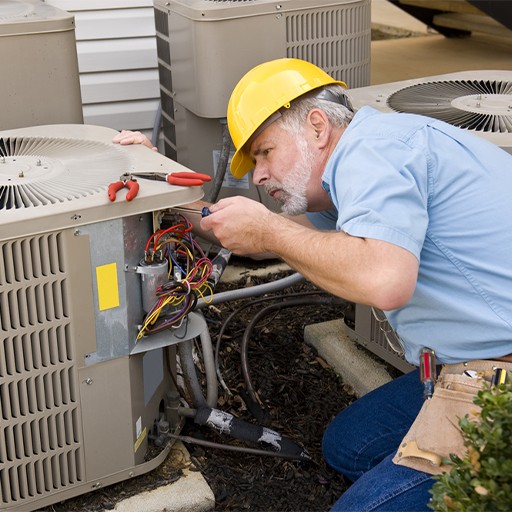
Classroom training alone is not enough to become an excellent HVAC technician. Employers value practical experience because real-world systems rarely match training simulations exactly. New technicians typically start with equipment installation support, filter replacement, preventive maintenance, basic diagnostics, tool usage, and system cleaning.
Over time, technicians gradually take on more advanced troubleshooting and repair responsibilities. On-the-job experience also helps employees develop soft skills, including: time management, customer communication, professionalism, and problem-solving under pressure; many technicians report that their first two years on the job are when their confidence grows the most.
Licensing requirements vary by state, and sometimes even by city or county. Some states require HVAC contractors or technicians to be licensed, while others regulate only business owners. Common licensing requirements may include:
* Work experience
* Exam scores
* Liability insurance
* Continuing education
Since regulations vary across the United States, technicians should familiarize themselves with local requirements before beginning to work independently.
As energy standards continue to evolve, the demand for technicians familiar with high-efficiency systems, heat pumps, and eco-friendly technologies continues to grow.
While the HVAC industry offers rewarding opportunities, it also demands significant physical and mental stamina from its practitioners. Many new technicians often face a steep learning curve during their first few years in the field. Access to strong mentorship and persistent hands-on practice are often key to long-term career success.
For many, the HVAC industry provides a highly practical career path that differs from traditional office jobs. The field is characterized by relatively low barriers to entry, a focus on hands-on problem-solving, and long-term career advancement opportunities.
For those seeking a stable, skilled trade with diverse career paths, the HVAC industry remains one of the most practical and adaptable career choices in today’s job market.
Advertisement