
Advertisement
Entering the HVAC (Heating, Ventilation, and Air Conditioning) industry for the first time can feel overwhelming, particularly for those with limited or no prior technical background.
Many training programs often begin introducing specialized terminology—such as refrigeration cycles, electrical diagnostics, airflow calculations, and industry certifications—before students have even fully grasped what the day-to-day work actually entails.
For beginners, the challenge lies not only in mastering technical skills but also in understanding how the HVAC education system in the United States is structured. HVAC training programs are designed to prepare students for careers involving heating, ventilation, air conditioning, and refrigeration systems.
These programs vary significantly in terms of duration, cost, teaching style, and specialized focus. Some programs prioritize helping students enter the workforce quickly, while others offer a broader technical education aimed at laying a solid foundation for long-term career advancement.
What Do HVAC Training Programs Teach?
At the introductory level, HVAC training programs focus on cultivating practical technical skills rather than abstract academic theories. The core objective is to help students understand the operating principles of HVAC systems, master diagnostic methods for common malfunctions, and learn how to safely operate various tools and equipment.
Most entry-level programs aim to prepare students for junior technician positions in residential or light commercial settings.
Training programs do not expect students to become immediate masters of the trade; instead, they primarily impart foundational knowledge—knowledge that will be further deepened and refined through accumulated experience in the student's future professional practice. A typical HVAC training program usually teaches students the following skills:
* Installing and maintaining HVAC systems
* Understanding the operating principles of electrical components
* Safely handling refrigerants
* Reading electrical schematics
* Diagnosing airflow and temperature-related issues
* Using industry-specific tools and test equipment
* Adhering to various safety protocols
Additionally, training programs often assist students in preparing for necessary industry certifications, most notably the EPA Section 608 certification for refrigerant handling.
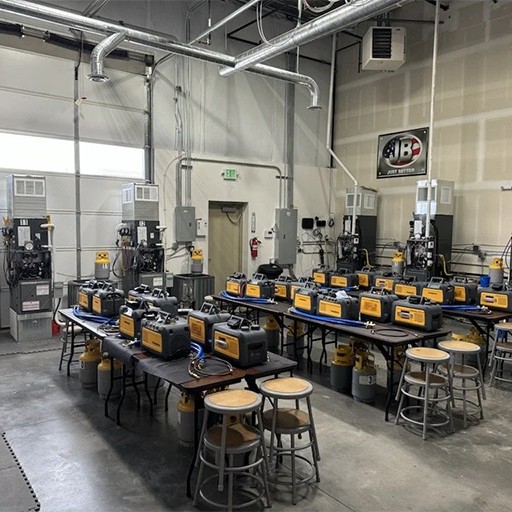
Common Types of HVAC Training Programs
Not all HVAC training schools operate under the same model. In the United States, training programs designed for beginners typically fall into one of the following three categories:
Certificate Programs
Certificate programs represent the quickest pathway to entering the industry. The duration of many such programs typically ranges from six months to one year. These types of programs place a strong emphasis on practical vocational skills and systematic foundational knowledge.
Compared to general education courses, students typically spend a greater amount of time learning in hands-on workshops and laboratories. Due to their shorter duration, certificate programs often move at a rapid pace, requiring students to master various technical concepts at a steady clip.
Diploma Programs
Diploma programs are similar to certificate programs, though they sometimes incorporate more advanced coursework in areas such as troubleshooting, system design, or commercial HVAC applications.
The duration of these programs typically ranges from 12 to 18 months. Some educational institutions use the terms "Certificate" and "Diploma" interchangeably; therefore, when making a selection, students should prioritize comparing the actual course content rather than focusing solely on the program title.
Associate Degree Programs
Associate degree programs typically take approximately two years to complete. In addition to technical HVAC training, these programs may include coursework in mathematics, technical writing, communication skills, business fundamentals, and computer applications.
Advertisement
Students pursuing an associate degree often have opportunities later in their careers to advance into supervisory, managerial, or specialized technical roles. For beginners seeking a broader educational foundation, this academic path offers greater long-term career flexibility, although it also entails a larger investment of both time and financial resources.
Course Content in HVAC Training
Most HVAC programs designed for beginners follow a structured, progressive curriculum. Students typically begin with foundational concepts and subsequently delve into more advanced skills related to troubleshooting and system operation.
Initial coursework typically covers the operating principles of heating and cooling systems. Students learn basic terminology, equipment types, and industry standards.
This introductory phase aims to help beginners develop a comprehensive understanding of the overall function and purpose of HVAC equipment before they begin undertaking actual repair or installation tasks. Electrical training constitutes a critical component of HVAC education.
Many new students find this section particularly challenging at first, as HVAC systems integrate both mechanical and electrical components.
High-quality training programs typically strike an effective balance between classroom theory and hands-on laboratory exercises to help students better grasp these concepts. Refrigeration systems rely on refrigerant cycles and pressure dynamics. Students in HVAC programs will learn how refrigerants absorb and transfer heat.
During this phase of their training, students will also prepare to obtain their EPA Section 608 certification. Improper airflow can reduce the efficiency of an HVAC system and cause damage to the equipment.
The training curriculum teaches students how air flows through ductwork systems and ventilation equipment. As the coursework progresses, students will begin diagnosing common system malfunctions.
Troubleshooting requires both logical thinking and patience. Many instructors intentionally simulate faulty systems during lab sessions so that students can practice problem-solving under realistic conditions.
The Importance of Hands-On Training
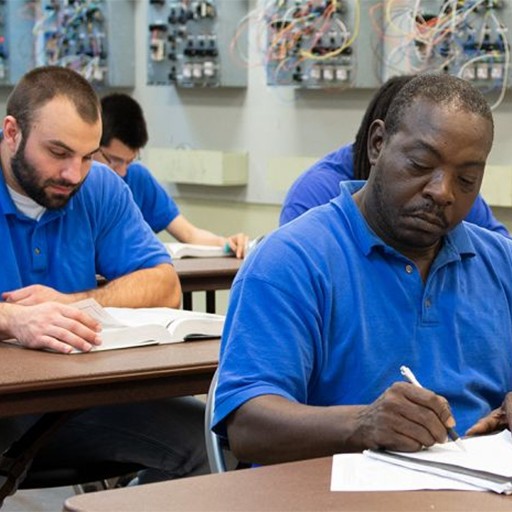
One of the key differences between HVAC education and many traditional academic programs is the emphasis placed on hands-on learning. Most reputable HVAC schools incorporate practical laboratory sessions where students can directly operate equipment.
This experience is crucial, as reading about HVAC systems is vastly different from actually diagnosing or repairing them in the field. Hands-on training activities may include:
* Using a multimeter
* Connecting pressure gauges
* Recovering refrigerant
* Wiring components
* Installing thermostats
* Disassembling compressors
* Testing airflow
For beginners, these exercises help build confidence and foster familiarity with industry-standard tools. Training programs with limited laboratory resources may leave students ill-prepared for actual work environments, as technicians are expected to operate various types of equipment efficiently right from day one.
Many individuals enter HVAC programs assuming the work is primarily mechanical; however, this field is far broader than it appears. Modern HVAC systems rely heavily on electrical diagnostics. Students who dislike working with wiring or troubleshooting electrical systems may face initial difficulties. Training laboratories are typically designed to simulate real-world work environments.
Students may be required to stand for extended periods, lift and carry equipment, or work in confined spaces. For many students, the greatest value of HVAC training lies in something far beyond simply learning how HVAC systems function.
More importantly, the training cultivates the problem-solving skills, standardized technical practices, and heightened safety awareness necessary to work confidently and competently within the industry.
Beginners interested in HVAC training should not be overly swayed by flashy advertisements; instead, they should focus on more practical considerations—such as the availability of adequate hands-on training facilities (laboratories).
The industry experience of the instructional staff, whether certification exam preparation support is provided, the flexibility of the course schedule, and the total cost of the program.
In this industry, practical competence is often valued more highly than outward appearances; likewise, solid foundational training typically carries more weight than simply rushing through the curriculum.
For individuals who enjoy hands-on technical work and are seeking long-term career growth opportunities, HVAC training offers a clear and systematic pathway to successfully join the ranks of skilled professionals.
Advertisement