
Advertisement
Applying for a nursing license in the United States is a significant milestone for anyone entering the nursing profession. It marks the moment when academic education, clinical training, and licensure examinations converge, enabling you to legally practice as a nurse.
However, many applicants discover that this process is far more complex than they initially anticipated. Licensure requirements vary from state to state, the application steps involve multiple agencies, and even minor administrative oversights can result in approval delays lasting weeks or even months.
Most delays do not stem from a lack of applicant qualifications, but rather from misunderstandings regarding the application process itself. Missing documentation, incomplete background checks, errors in form completion, or confusion regarding specific state requirements are among the most common stumbling blocks.
What is a Nursing License? Why is it Required?
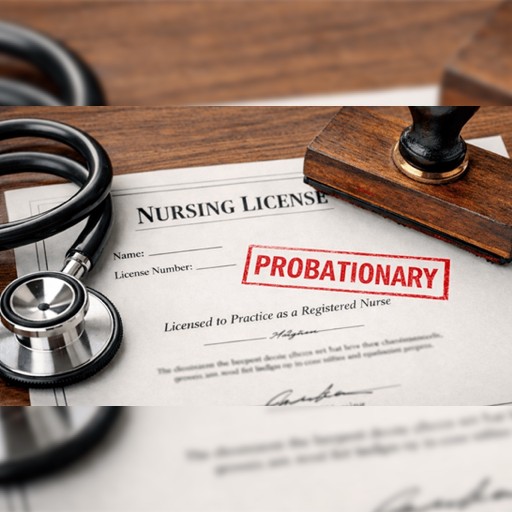
A nursing license is a legal credential issued by a state regulatory body that authorizes the holder to practice nursing within that specific state. In the United States, regulatory authority over the nursing profession resides with individual state governments, rather than the federal government.
Each state maintains a dedicated Licensing Board responsible for vetting applicants, verifying their educational credentials, and ensuring they meet the requisite professional practice standards. The most common types of entry-level nursing licenses include:
* Registered Nurse (RN)
* Licensed Practical Nurse (LPN) or Licensed Vocational Nurse (LVN)—the specific title varies by state
Although specific requirements differ slightly from state to state, the overall framework and core principles remain largely consistent. Applicants must successfully complete an accredited nursing education program, pass a standardized national licensure examination, and satisfy a series of administrative requirements, such as background checks and document verification.
It is crucial to understand the fundamental principle that nursing licensure is regulated on a state-by-state basis. A nursing license obtained in one state does not automatically grant you the right to practice in another state, unless there is a specific mutual recognition agreement (known as "Endorsement") or other special arrangements in place between the two states.
What are the Basic Steps Involved in Applying for a Nursing License?
Most applicants are required to complete a sequential series of steps; these steps typically involve coordination between the state Licensing Board and external examination and assessment agencies. Although specific details vary by state, the typical application process generally involves the following key stages:
1. Successful Graduation from an Accredited Nursing Education Program
Applicants must complete a nursing education program that is accredited and officially recognized by their state's licensing board. This typically refers to an Associate Degree in Nursing (ADN), a Bachelor of Science in Nursing (BSN), or an accredited practical nursing program.
2. Submitting an Application to the State Board of Nursing
After graduation, applicants must submit a licensing application to the Board of Nursing in the state where they intend to practice. This application typically includes identity verification, educational records, and applicable fees.
3. Registering for the Licensing Examination
Most nurses are required to pass a national licensing examination administered by the National Council of State Boards of Nursing (NCSBN). The specific exam required depends on the category of license being sought:
NCLEX-RN: For Registered Nurses
NCLEX-PN: For Practical or Vocational Nurses
4. Completing a Background Check and Fingerprinting
Many states require applicants to undergo a criminal background check prior to the issuance of a license.
5. Obtaining an Authorization to Test (ATT)
Advertisement
Once the Board of Nursing verifies that an applicant meets the eligibility criteria, it issues an "Authorization to Test" (ATT). This authorization allows the applicant to schedule an appointment to take the licensing examination.
6. Passing the Exam and Receiving the License
Upon passing the examination and completing all administrative formalities, the State Board of Nursing officially issues the nursing license.
Why Do Nursing License Applications Often Experience Delays?
Delays in the approval of nursing licenses are quite common, particularly for first-time applicants. In most cases, the issue does not stem from the applicant's eligibility, but rather from problems regarding document coordination and transfer between different agencies. Common causes for such delays include:
* Incomplete Verification of Educational Background
The State Board of Nursing must verify that the applicant has indeed graduated from an accredited nursing program. If transcripts are sent incorrectly or are delayed in transit, the application materials will be deemed incomplete. * **Background Check Processing Delays**
The process of fingerprint collection and background checks can take several weeks; this timeframe is often extended, particularly when the investigation involves multiple states.
* **Inconsistent Application Information**
If there are discrepancies in the information provided across different documents—such as variations in name spelling, identification numbers, or residential addresses—it may trigger additional review procedures.
* **Improper Timing of Exam Registration**
Some applicants register for the licensing exam before the State Board of Nursing has officially confirmed their eligibility. This premature action can actually lead to delays in the subsequent exam scheduling process.
Understanding these common causes of delay helps applicants plan and prepare in advance, thereby avoiding unnecessary and prolonged waiting periods.

Should You Apply for the License First, or Register for the Exam First?
Throughout the application process, the question of "what constitutes the correct application sequence" is undoubtedly one of the most frequently asked inquiries among applicants. In most states, applicants are required to submit an application to the State Board of Nursing *before* taking the licensing exam.
The Board reviews the applicant's eligibility and then authorizes the applicant to schedule the exam. Registering for the exam prematurely does not necessarily expedite the process. In fact, if the Board has not yet approved the applicant, registering too early can actually lead to confusion.
A more prudent approach is to submit the license application first, and then register for the exam only after ensuring that all supporting documents are actively being processed. Although specific requirements vary by state, most nursing license applications require the following documents:
* Government-issued identification
* Nursing school transcripts
* A completed application form
* The application fee
* Fingerprint cards or electronic fingerprints
* Authorization for a criminal background check
* Exam registration confirmation
Applicants who completed their nursing education outside of the United States may also be required to undergo an educational credential evaluation or an English language proficiency test. Submitting all required documents simultaneously can significantly reduce the likelihood of delays.
Advertisement