
Advertisement
The term “botulinum toxin” is widely recognized, but many people associate it solely with wrinkle reduction. In reality, botulinum toxin has two distinct applications: cosmetic treatments and medical treatments. Although both use the same substance, their objectives, dosing strategies, treatment sites, and expected outcomes differ significantly.
Understanding these differences is crucial for anyone considering botulinum toxin treatment. Cosmetic patients seek predictable aesthetic results with minimal downtime, while medical patients typically seek relief from the symptoms of chronic conditions. Treatment methods, physician expertise, and outcome assessment vary depending on the treatment goal.
The Nature of Botulinum Toxin
Botulinum toxin is a purified form of Clostridium botulinum type A toxin, a neurotoxin that temporarily blocks the nerve signals responsible for muscle contraction. When administered in controlled medical doses, this effect relaxes the targeted muscles.
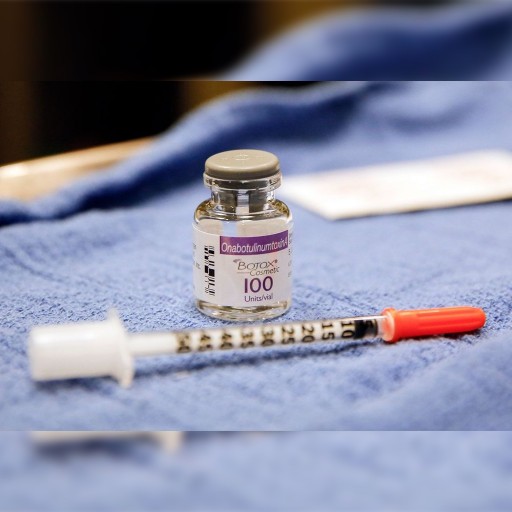
The product commonly referred to as Botox is manufactured by Allergan and has been approved by the U.S. Food and Drug Administration (FDA) for both cosmetic and medical uses. When injected into specific muscles, the toxin prevents those muscles from contracting fully.
This temporary relaxation can smooth out wrinkles, reduce muscle spasms, or, depending on the injection site, alleviate certain neurological symptoms. This effect is not permanent. Most treatments last three to six months, after which muscle activity gradually returns.
Cosmetic botulinum toxin primarily improves facial appearance by reducing dynamic wrinkles—wrinkles formed by the repeated contraction of facial muscles during facial expressions. These wrinkles are caused by years of facial movements, such as frowning, squinting, or raising the eyebrows.
Botox reduces the activity of the muscles responsible for these movements, making the skin above the muscles appear smoother. The most common areas for cosmetic treatment include:
* Forehead lines
* Glabellar lines (also known as frown lines)
* Crow’s feet around the eyes
* Nasolabial folds
* Chin dimples
* In some cases, for facial slimming
The goal of cosmetic treatment is not to completely paralyze the muscles, but to control muscle relaxation, thereby softening wrinkles while maintaining natural facial expressions.
Over-treatment can lead to facial stiffness or an unnatural appearance, so precise dose control is crucial. Treatment results typically begin to appear within three to five days and reach their peak after about two weeks.
Medical Botulinum Toxin: Therapeutic Applications
Medical botulinum toxin treatments use the same neurotoxin but target conditions associated with abnormal muscle activity, impaired nerve signal transmission, or overactive glands. The U.S. Food and Drug Administration (FDA) has approved it for a variety of medical uses. These include:
* Chronic migraines
* Cervical dystonia (neck muscle spasms)
* Blepharospasm (involuntary eyelid closure)
* Overactive bladder
* Underarm hyperhidrosis
* Muscle spasms caused by certain neurological conditions
Advertisement
For example, botulinum toxin is commonly used to prevent chronic migraines. Injection sites are not targeted at wrinkles, but rather the scalp, temples, neck, and shoulders, to reduce nerve signal transmission associated with migraine attacks.
Similarly, for hyperhidrosis, botulinum toxin reduces excessive sweating in the treated areas by blocking the nerve signals that activate the sweat glands. The dosage used for medical treatment is typically much higher than for cosmetic treatment, and the injection area may also be larger.
Key Differences Between Cosmetic and Medical Botulinum Toxin
Although cosmetic and medical botulinum toxin use the same drug, their treatment strategies differ in several important ways.
1. Treatment Goals
Cosmetic Botox injections aim to improve facial appearance by softening wrinkles and preventing the formation of deep lines. Medical Botox injections, on the other hand, focus on symptom management. Patients seek relief from conditions such as migraines, muscle spasms, or hyperhidrosis.
Because the treatment goals differ, the criteria for measuring treatment effectiveness also differ. Cosmetic patients evaluate changes in appearance, while medical patients assess the degree of symptom relief.
2. Injection Sites
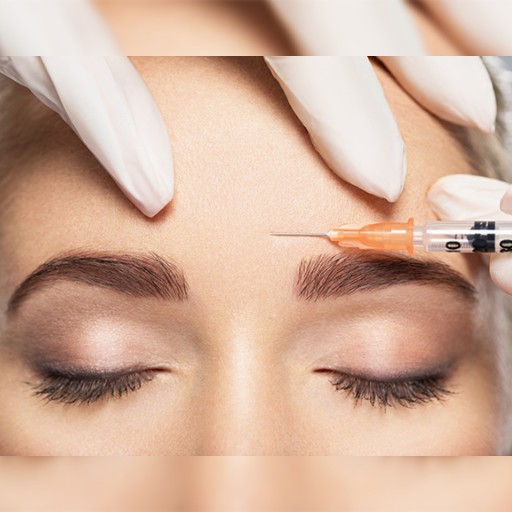
Cosmetic injections typically target small facial muscles responsible for facial expressions. These injections are usually limited to the face, though they may occasionally extend to the neck or jawline.
Medical treatments may involve broader areas, depending on the condition. For example, a treatment plan for migraines requires injections into multiple muscle groups in the head and neck. Some medical applications involve muscles in the limbs or other non-facial areas.
3. Differences in Dosage
Cosmetic injections typically use relatively small doses distributed across specific facial muscles. Medical treatments usually require a larger total dose. For example, a treatment regimen for chronic migraines may involve dozens of injection sites. An increased dose does not necessarily imply stronger cosmetic results but reflects a broader treatment scope and therapeutic goals.
4. Treatment Frequency
Whether for cosmetic or medical purposes, the effects of Botox injections are temporary. However, the interval between treatments may vary depending on the condition being treated. Cosmetic patients typically undergo maintenance treatments every three to four months to sustain wrinkle reduction.
Medical treatments are usually administered every three to six months, depending on symptom recurrence and clinical guidelines.
Provider Specialties
Cosmetic Botox injections are typically administered by dermatologists, plastic surgeons, or trained aesthetic physicians. Medical Botox injections may require a specialist, depending on the condition. For example:
* Neurologists for migraine treatment
* Urologists for bladder disorders
* Dermatologists for hyperhidrosis
* Physiatrists for muscle spasms
It is crucial to choose a physician with extensive experience in the specific treatment area. Results vary depending on the treatment goal and individual patient factors. For facial wrinkles caused by muscle movement, botulinum toxin is generally effective when administered properly.
Patients typically see a noticeable reduction in wrinkles within two weeks. Preventive treatment can also delay the formation of deep wrinkles by reducing repetitive muscle contractions. However, botulinum toxin does not correct all types of wrinkles. Wrinkles caused by sun damage, skin thinning, or volume loss may require other treatments, such as fillers or skin rejuvenation.
When administered by a trained professional, botulinum toxin has a good safety record. However, as with any medical procedure, there are potential risks. Common side effects include mild swelling or bruising at the injection site, temporary headaches, and mild discomfort during the procedure.
More specific side effects may vary depending on the treatment area. For example, if the injection site affects nearby muscles, cosmetic injections may cause temporary drooping of the eyelid or asymmetry. Medical injections may involve other risks, depending on the condition and dosage.
Since botulinum toxin affects nerve signal transmission, precise injection technique is crucial to avoid unintended muscle relaxation. Understanding the distinction between Botox’s cosmetic and medical uses helps patients make informed decisions and approach treatment with a clearer understanding—specifically, what Botox can achieve and what its limitations are.
Advertisement