
Advertisement
In any major city, finding affordable housing is one of the most pressing challenges. Whether you’re in New York, London, or Sydney, the meaning of the term “affordable housing” can vary depending on the context. Some listings refer to lower-priced units on the open market, while others refer to government-subsidized housing programs for specific income groups.
If you’re exploring the housing market, it’s crucial to understand the difference between affordable housing and government-subsidized housing. These two options operate under entirely different systems, and confusing them can lead to wasted time, missed opportunities, or unrealistic expectations.
What Is Affordable Housing (Market-Priced)?
Affordable rental apartments on the open market are exactly what the name implies: privately owned units priced below the market average, though prices are still influenced by supply and demand. These are not government programs, and landlords can set rents independently—even if they are lower than those of neighboring properties.
There are many reasons why an apartment might be priced lower than others in the area:
* Location (further from downtown or major transportation hubs)
* Older buildings with fewer amenities
* Smaller size or less common floor plans
* Market timing, such as vacancies during the off-season
* Private landlords’ pricing strategies (e.g., prioritizing stable tenants over the highest rent)
In some cities, there are also rent-stabilized or rent-controlled apartments, which fall between fully market-driven housing and government-subsidized housing. These units are still part of the open market but are regulated to limit rent increases.
Most affordable housing units do not have formal eligibility requirements. Moving in depends on: your income (which must meet the landlord’s requirements), credit score and rental history, and your ability to pay the security deposit and first month’s rent.
This makes these units more accessible in the short term, but they are not affordable for everyone. Wait times are typically short or immediate. If you find a suitable unit and qualify, you can move in within days or weeks. However, competition in major cities can be fierce. Even rents slightly below market rates often attract multiple applicants.
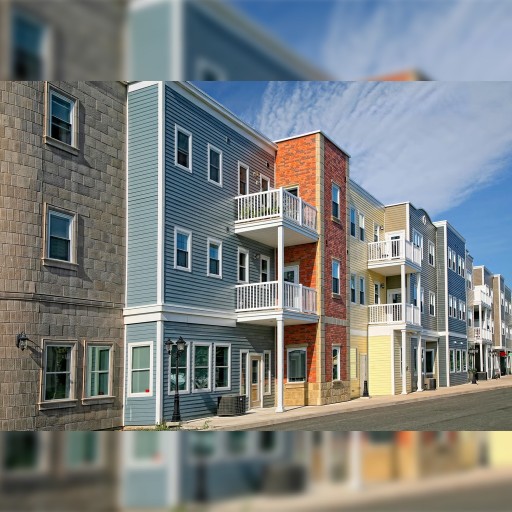
What is Subsidized Housing (Social Housing)?
Subsidized housing—commonly referred to as social housing—is a government-supported program designed to provide long-term, low-cost housing for individuals and families with limited income. This includes public housing projects, housing vouchers (such as Section 8 housing vouchers in the U.S.), and income-restricted apartments.
Unlike market-rate rentals, these programs are structured, heavily regulated, and eligibility-based. In most cases, rent is calculated based on income rather than market rates. A common benchmark is that 30% of a household’s income goes toward rent, with the government covering the remainder (either directly or indirectly).
This ensures that housing is financially sustainable for low-income families. Eligibility is one of the key differences from market-rate rental housing. Requirements typically include:
* Income limits (usually tied to the Area Median Income (AMI))
* Citizenship or legal residency status
* Household size and composition
* Background checks (varies by program)
Priority groups typically include: seniors, people with disabilities, families with children, and very low-income households. The biggest challenge with subsidized housing is wait times; in less competitive areas, wait times may be a few months, while in high-demand cities, they can stretch to several years.
In some major cities, waiting lists have been completely closed due to overwhelming demand.
Key Differences at a Glance
Understanding the differences between these two options can save you a significant amount of time and effort.
Advertisement
1. Pricing Structure
*Affordable Housing: Prices are below the market average but are still influenced by supply and demand
*Subsidized Housing: Rent is tied to your income rather than market rates
2. Eligibility Requirements
*Market-Rate Apartments: No standard eligibility requirements, but a financial screening is required
*Subsidized Housing: Must meet strict income and demographic criteria
3. Wait Times
* Market-rate apartments: Immediate move-in or short wait times
* Subsidized housing: Long waiting lists; sometimes require waiting for several years
4. Flexibility
* Market-rate apartments: More choices regarding location, building type, and move-in timing
* Subsidized housing: Limited choices, depending on available units and program regulations
5. Stability
*Market-rate apartments: Subject to factors such as rent increases and lease renewals
*Subsidized housing: More stable in the long term, with rent controls

Choose the Right Option Based on Your Situation
The right choice depends less on personal preference and more on your financial situation, the urgency of your housing needs, and your long-term plans.
If you need housing immediately, market-rate affordable apartments are the only realistic option. Subsidized housing programs typically cannot arrange move-in within a short timeframe. We recommend focusing on the following points:
* Expand your search criteria
* Consider older buildings or those located outside the city center
* Act quickly once you find a listing
If your income is limited or unstable, subsidized housing may provide the stability you need, but given the long wait times, you should submit your application as early as possible. In the meantime, consider a “two-pronged” strategy:
* Apply for subsidized housing
* Rent an affordable market-rate apartment while you wait
Regardless of the rental path you choose, you will typically need to provide proof of income, identification, rental history, and a credit report. Subsidized housing programs often require additional documentation, so keeping your paperwork organized is crucial.
Whether you’re looking at market-rate rentals or subsidized housing, finding an affordable place to live often means making some compromises. Recognizing and accepting this early on will help you make practical rental decisions more quickly.
Advertisement